
STARTUP
WA Medtech Startup VitalTrace Launches World-First Labour Monitoring Device

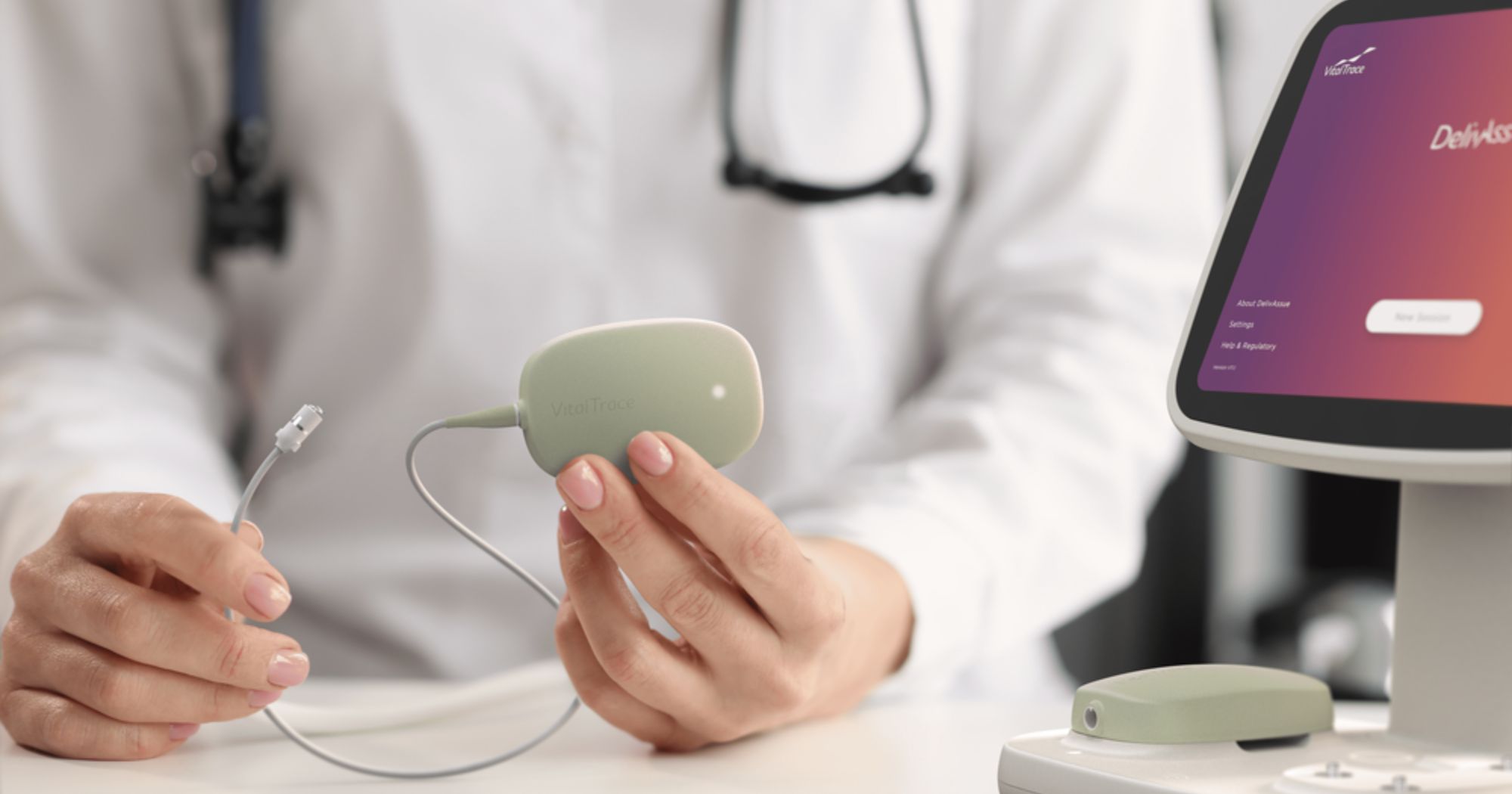
A Western Australian medtech startup is poised to transform the way babies are monitored during labour, with a world-first device developed and trialled in Perth that could set a new global standard in maternity care.
VitalTrace, a WA-based company spun out of research at The University of Western Australia (UWA), has unveiled a device that can instantly detect when a baby isn’t receiving enough oxygen during labour — a breakthrough that clinicians believe could prevent life-altering health complications, including birth asphyxia and cerebral palsy.
Real-time monitoring with freedom to move
The technology, which uses a small, single-use electrode sensor placed on the baby’s scalp during labour, wirelessly transmits real-time lactate readings to a bedside monitor. This immediate feedback allows obstetricians and midwives to intervene earlier if a baby shows signs of distress, potentially reducing the rate of unnecessary emergency caesarean sections and promoting faster recoveries and stronger early bonds between mothers and newborns.
Unlike traditional monitoring devices, which often restrict a mother’s movement, the VitalTrace device allows expectant mothers to move freely during labour while their baby’s wellbeing is continuously monitored.
Clinical trials at King Edward Memorial Hospital
The device has already been successfully trialled at King Edward Memorial Hospital, WA’s leading maternity hospital, and is currently undergoing further trials at sites across Australia. Healthcare professionals involved in the trials say the ability to continuously monitor a baby’s well-being during labour, without restricting the mother’s movement, marks a significant leap forward in perinatal care.
From research to commercialisation
VitalTrace co-founder and CEO Dr Arjun Kaushik, a UWA medicine graduate, said the device detects the lack of oxygen by providing a continuous signal that tells clinicians about the level of lactate in the baby’s blood. Lactate is a natural substance produced by cells when they use glucose for energy production in the absence of sufficient oxygen.
A small electrode sensor is applied by an obstetrician or midwife into the skin of the baby’s scalp once the mother’s waters have broken and the baby’s head is accessible. The device transmits information from the sensor to a monitor using wireless technology, meaning the mother can move around freely during labour while her baby is still being monitored.
Government backing for WA medtech
Health Minister Meredith Hammat described the technology as “the biggest breakthrough in the way babies are monitored during labour in five decades, and it’s been made here in WA.”
Hammat added, “VitalTrace has already been trialled across four sites nationally with success, including here at King Eddies. It’s fabulous to see innovation from WA can guide mum and baby safely through a high-risk birth, and I’ll be closely watching the outcomes of further trials in the hope the device will soon be able to help even more people.”
Medical Research Minister Stephen Dawson said, “The Cook Government’s Future Health Research and Innovation Fund has contributed to the acceleration and translation of an idea into commercialisation of a tool that can improve the healthcare of individuals in the State and beyond. I’d like to thank and congratulate all involved in designing this device and am looking forward to seeing this WA innovation used routinely in patient care.”