
STARTUP
Atlassian Cuts 1,600 Jobs To Self-Fund AI And Enterprise Push

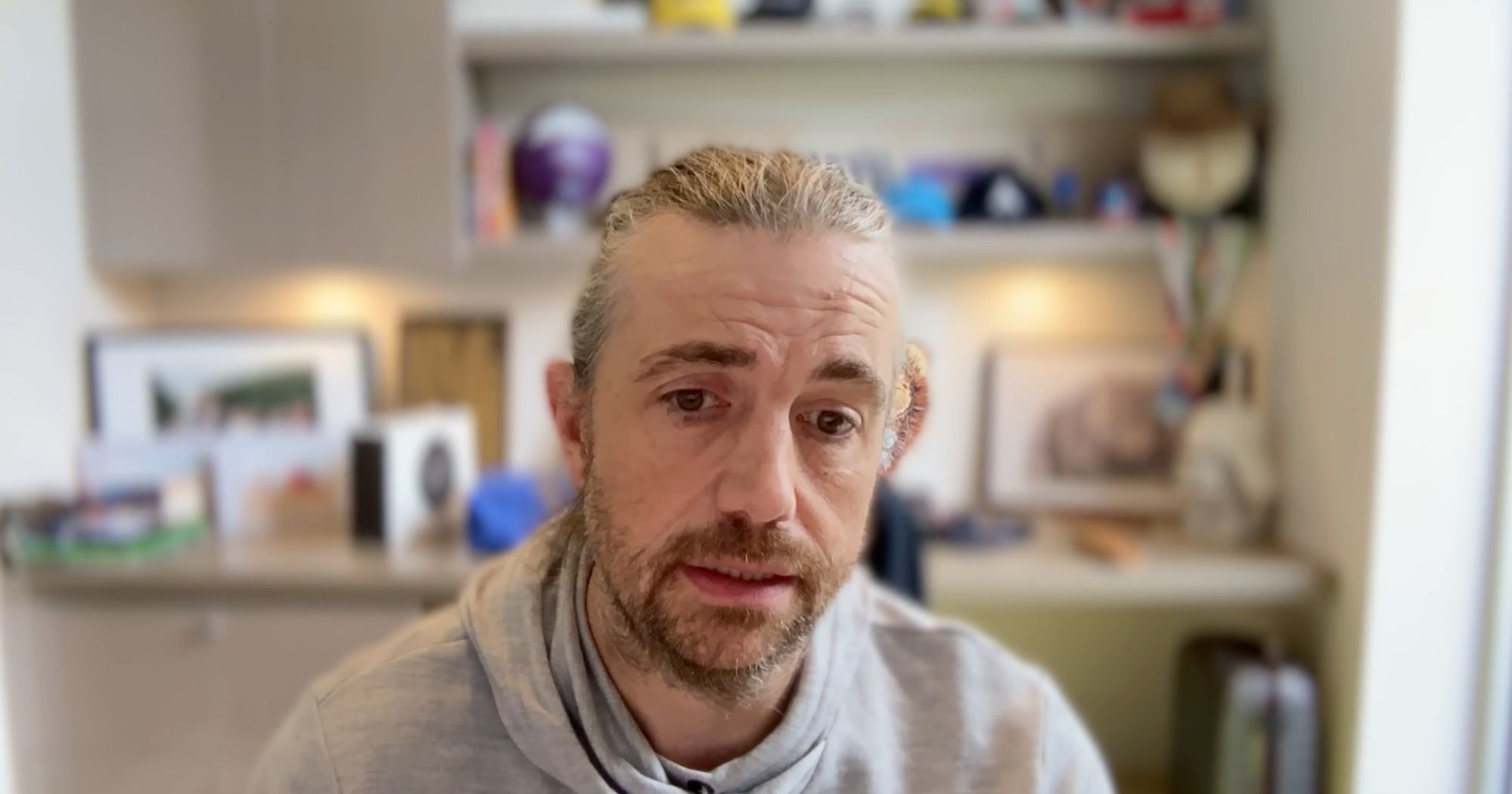
The announcement was made via an SEC filing and a blog post from Cannon-Brookes, who told staff he had made “the incredibly difficult decision to reduce the size of our team by ~10%.” All employees were notified simultaneously, with each Atlassian receiving an email advising whether their role had been impacted. Approximately 30% of the affected roles — around 480 positions — are based in Australia.
The restructure has three stated objectives: self-funding further investment in AI and enterprise sales, accelerating the company’s path to sustained GAAP profitability, and reorganising leadership teams to move faster across its Collections portfolio and other revenue-generating areas.
“We are doing this to self-fund further investment in AI and enterprise sales, while strengthening our financial profile,” Cannon-Brookes wrote. “We’re also changing the way we work and reorganising around our System of Work to move faster.”
The restructure is expected to cost Atlassian between US$225 million and US$236 million (approximately AU$315–330 million), the majority covering employee severance, with the remainder going toward exit charges related to office space reductions. Most charges will be incurred in the third quarter.
Adapting to a changing software landscape
Cannon-Brookes was direct about the role AI is playing — while stopping short of saying the technology is directly replacing workers. “It would be disingenuous to pretend AI doesn’t change the mix of skills we need or the number of roles required in certain areas,” he wrote. “This is primarily about adaptation. We are reshaping our skill mix and changing how we work to build for the future.”
The company reaffirmed its financial guidance for revenue growth of around 22% over the 12 months to June 30, 2026. For the six months ending December 31, 2025, Atlassian reported a net loss of US$94.5 million on sales of US$2.8 billion. Despite consistent revenue growth — including 25%-plus growth in cloud revenue, 40%-plus growth in remaining performance obligations (RPO), and more than 600 customers at $1 million-plus in annual recurring revenue — the company has recorded a net loss every fiscal year since 2017. Cannon-Brookes also cited Rovo, Atlassian’s AI suite, passing five million monthly active users.
Severance and support
Atlassian said it would go beyond minimum requirements in every region. Affected staff will receive a minimum 16-week separation package with one additional week per year of service, prorated FY26 bonuses brought forward, a US$1,000 technology payment upon returning their corporate laptop, and healthcare plan extensions of six months for eligible employees and their families. Outplacement services, visa support, and individual HR calls were also offered.
In a notable gesture, Atlassian said Slack would remain accessible on mobile devices for six to 12 hours following the announcement — allowing impacted employees time to say goodbye to colleagues across time zones.
Share price context
Atlassian’s share price has been under significant pressure, falling roughly two-thirds from its 2021 peak market capitalisation of around US$112 billion. The stock dropped approximately 50% in 2026 alone, pushing the company’s market cap below US$20 billion — less than privately held Canva. Shares edged up around 2% in after-hours trading following the announcement.
Investor concern has centred on whether AI-native competitors could replicate Atlassian’s core products, and whether enterprise customers will need fewer software licences as AI reduces the complexity and cost of development work.
Previous restructures
Thursday’s announcement is the largest restructure in Atlassian’s recent history, though not the first. The company cut 500 roles in 2023, 150 customer service and support positions last July, and a further 200 roles in Europe in September. Atlassian also acquired AI developer platform DX for US$1 billion and The Browser Company for US$610 million last September as part of its broader AI strategy.
Cannon-Brookes closed his message by invoking the company’s 23-year history of navigating change. “We’ve navigated — and thrived through — multiple technology shifts. Multiple market cycles. And we will again.”