
LIFESTYLE
Does Vanilla Extract Go Bad? Everything You Need To Know

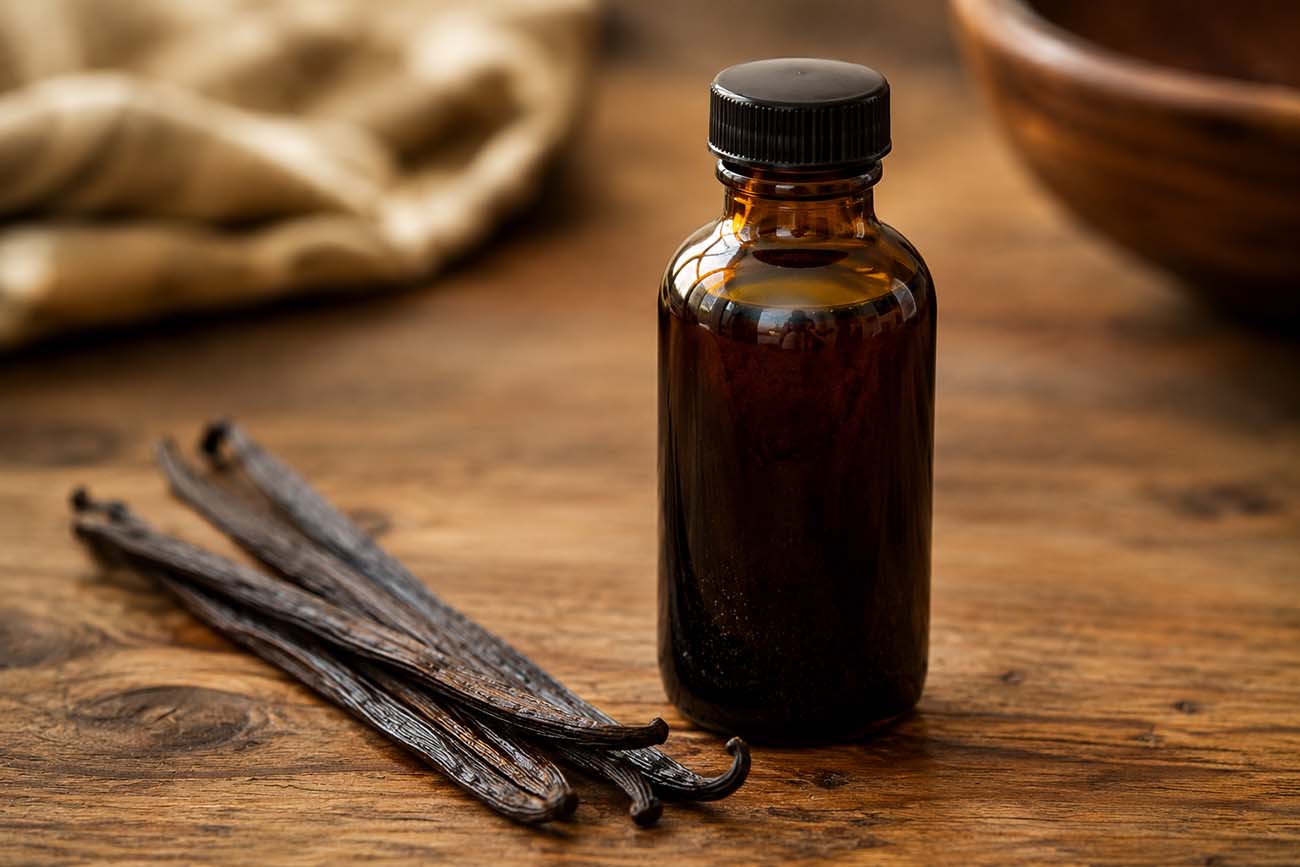
You found a bottle of vanilla extract that has been in the back of the cabinet for years. Maybe it has a best-by date that has passed. Maybe it looks a little cloudy. Maybe it smells more like alcohol than you remember. So does vanilla extract actually go bad, and does the answer change depending on which kind you have?
The short answer: It depends entirely on whether you have pure or imitation vanilla extract, because they behave very differently. Pure vanilla extract, made from real vanilla beans and at least 35% alcohol by FDA regulation, lasts indefinitely when stored properly. Imitation vanilla, which contains only 2 to 3% alcohol and synthetic vanillin, degrades meaningfully after 2 to 4 years. Do not refrigerate either type. Cold causes condensation inside the bottle, which can dilute the extract, cause cloudiness, and shorten the quality life of both.
For a complete pantry storage reference, see our Food Storage Guide.
📋 Vanilla Extract: At a Glance
- Pure vanilla extract: Indefinite shelf life. Best quality within 5 to 10 years.
- Imitation vanilla extract: Best within 2 to 4 years. Replace after that.
- Do NOT refrigerate: Cold causes condensation and cloudiness in both types.
- Strong alcohol smell: Normal in pure extract. Not a sign it has gone bad.
- Cloudiness: Usually from heat, light, or refrigeration. Not spoilage if smell is fine.
- True spoilage: Mold at the cap, rancid smell, or bitter taste. Rare in pure extract.
- Homemade extract: Indefinite shelf life if made with 35%+ ABV alcohol and beans stay submerged.
🔑 Key Takeaways
- Pure vanilla extract lasts indefinitely. The FDA requires it to contain at least 35% alcohol, which prevents bacterial growth and spoilage permanently.
- Imitation vanilla contains only 2 to 3% alcohol (some glycerin-based versions contain none) and degrades meaningfully after 2 to 4 years.
- Do not refrigerate vanilla extract. Cold causes condensation inside the bottle, which dilutes the extract and causes cloudiness in both types.
- A strong alcohol smell in pure vanilla extract is completely normal and does not mean it has gone bad.
- Cloudiness in pure extract is usually from heat, light, or brief refrigeration. If it still smells like vanilla, it is almost certainly fine.
- As pure vanilla extract ages and alcohol slowly evaporates, the flavor can concentrate and deepen over several years, though very old bottles with a loose cap can eventually tip to flat or harsh.
- True spoilage (mold, rancid smell, bitter taste) is extremely rare in pure extract and more common in imitation vanilla past 4 years.
Pure vs. Imitation: Two Completely Different Conversations
Most posts on this topic blur the line between pure and imitation vanilla extract. They have almost nothing in common when it comes to shelf life. The answer to “does vanilla extract go bad” depends entirely on which one is in your cabinet.
🔬 Pure vs. Imitation: What Makes Them Different
Pure vanilla extract is made by soaking real vanilla beans in alcohol and water. The FDA’s Standard of Identity requires it to contain at least 13.35% vanilla bean extractives and a minimum of 35% alcohol by volume. That alcohol level is what gives pure vanilla its indefinite shelf life: at 35% ABV and above, bacteria and mold cannot survive. Pure extract also contains over 200 naturally occurring flavor compounds from the vanilla bean, which is why it tastes complex and layered.Imitation vanilla extract is made from synthetic vanillin, a single flavor compound produced industrially. Most imitation vanilla contains only 2 to 3% alcohol. Some glycerin-based imitation versions contain no alcohol at all. Without significant alcohol to act as a preservative, imitation vanilla degrades over time like any other flavoring product.The quick test: check the label. If it says “pure” and lists vanilla bean extractives and alcohol as primary ingredients, you have the indefinite-shelf-life version. If it says “imitation,” “artificial,” or “vanilla flavoring,” treat it as a product with a 2 to 4 year quality window.
How Long Does Vanilla Extract Last?
| Type | Unopened | Opened | Notes |
|---|---|---|---|
| Pure vanilla extract | Indefinite | Indefinite | Best culinary complexity within 5 to 10 years. Can concentrate with age. |
| Imitation vanilla extract | Up to 4 years | 2 to 4 years | Flavor fades noticeably. Replace rather than push past it. |
| Homemade vanilla extract | Indefinite | Indefinite | Only if made with 35%+ ABV alcohol and beans stay fully submerged. |
| Vanilla bean paste | 1 to 3 years | 1 to 2 years | Contains sugar and thickeners. Shorter shelf life than pure extract. Follow best-by date. |
Sources: FDA Standard of Identity for Vanilla Extract; McCormick; Nielsen-Massey; Rodelle.
What Happens to Pure Vanilla Extract as It Ages
Pure vanilla extract does not degrade the way most pantry staples do. Because the alcohol content prevents microbial activity, aging pure vanilla is a quality question, not a safety question.
🔬 Why Pure Vanilla Can Improve With Age (and When It Stops)
As pure vanilla extract sits over years, alcohol slowly evaporates through the cap, particularly if the seal is imperfect. As that happens, the remaining liquid becomes more concentrated in vanilla compounds, giving a more intense, deeper flavor than a fresh bottle. This is one reason experienced bakers often prefer bottles they have had for several years.However, there is a practical limit. Very old extract kept for more than 10 years with a loose cap can tip from pleasantly concentrated to flat or harsh, as the more delicate aromatic compounds eventually degrade. For best culinary performance, aim to use pure vanilla within 5 to 10 years of opening. Beyond that, it is still safe but may underperform in recipes where vanilla is the primary flavor.
Why Is My Vanilla Extract Cloudy?
Cloudiness is the most commonly misunderstood change in vanilla extract, and some competitors incorrectly flag it as an automatic spoilage sign. It is usually not. But it has several causes worth knowing.
📋 What Cloudiness Actually Means
- Refrigeration (most common cause): Cold temperatures cause condensation inside the bottle, which dilutes the extract slightly and causes cloudiness. If the extract smells fine and was only briefly refrigerated, it is still usable. Bring it to room temperature and the cloudiness often clears.
- Heat or light exposure: Vanilla stored near the stove or in direct sunlight can develop cloudiness as the extract’s compounds shift. If it still smells rich and vanilla-forward, use it.
- Natural vanilla bean sediment: Pure extract often contains fine vanilla bean particles that become suspended. This is normal. Gently swirl before using.
- Water contamination: If water has been introduced to the bottle (a wet spoon, splashing during transfer, or significant condensation), the lower alcohol concentration can cause cloudiness and, in rare cases, invite microbial activity. If the bottle is cloudy and also smells off, filter through a coffee filter and use immediately, or discard.
- Spoilage cloudiness: Cloudiness combined with mold, an off smell, or a sour taste means discard. Cloudiness alone, in a bottle that still smells like vanilla, is almost never a problem.
Why Does My Vanilla Extract Smell Strongly of Alcohol?
A strong alcohol smell in pure vanilla extract is completely normal and does not mean the extract has gone bad.
Pure vanilla is required by the FDA to contain at least 35% alcohol, which is comparable to many spirits. Some brands, particularly those that do not add sugar or corn syrup to soften the nose, will smell noticeably alcoholic straight from the bottle, especially when a new bottle is first opened.
The alcohol smell mellows significantly with age as the extract develops. It also burns off almost entirely during baking, so the alcohol character you smell in the bottle will not transfer to your finished cookies or cakes. If the underlying smell is vanilla-forward, rich, and sweet beneath the alcohol note, the extract is fine.
The smell to worry about is rancid, sour, or musty, not alcoholic.
How to Tell If Vanilla Extract Has Gone Bad
⚠️ Discard If You Notice Any of These
- Mold: Check the inside of the cap. A cottony or fuzzy growth there, or visible on the surface of the liquid, means discard immediately. More likely in imitation vanilla or homemade extract where beans have emerged above the alcohol line.
- Rancid or sour smell: Pure vanilla should smell rich, sweet, and complex with an alcohol backbone. Imitation should smell clean and vanilla-forward. If either smells sour, musty, or just wrong, discard.
- Bitter or metallic taste: A drop on your finger should taste smooth and vanilla-like. Bitter, metallic, or flat with no vanilla character means the extract has degraded past useful life.
- Imitation vanilla with no smell or flavor: If imitation vanilla has been open for more than 4 years and smells and tastes like almost nothing, it will not perform in recipes. Replace it.
See also
What is NOT a spoilage sign in pure vanilla extract: Strong alcohol smell, cloudiness from refrigeration or heat, slight darkening in color, sediment or black specks from vanilla bean particles. These are all normal.
What Are the Black Specks in Vanilla Extract?
Black specks or fine dark particles in pure vanilla extract are vanilla bean caviar, the tiny seeds from inside the vanilla pod. They are completely normal in high-quality pure extracts and are a sign of real vanilla bean content, not spoilage or contamination.
Some premium extracts intentionally leave these particles in because they carry concentrated vanilla flavor. If you prefer a cleaner pour, you can strain the extract through a fine mesh strainer or coffee filter. The flavor of the extract is not affected either way.
How to Store Vanilla Extract
✅ Storage Best Practices
- Cool, dark pantry or cupboard. Ideal temperature is between 60 and 80 degrees Fahrenheit. A kitchen cabinet away from the stove, oven, and dishwasher is the right spot.
- Do not refrigerate. Rodelle and The Vanilla Company both specifically advise against refrigeration because cold causes condensation inside the bottle, which dilutes the extract and creates cloudiness.
- Keep the cap tightly sealed. A loose cap is the fastest way to shorten the quality life of pure vanilla, as it allows alcohol to evaporate faster than intended and introduces air and moisture.
- Dark glass is ideal. Most commercial vanilla comes in dark amber bottles specifically to block light, which degrades the flavor compounds over time. Store clear-bottled vanilla inside a closed cabinet.
- Keep away from heat. Above the stove, next to the oven, or on a sunny windowsill are the three worst spots. Heat is the fastest driver of cloudiness and flavor degradation.
- Use a dry utensil or pour directly. Introducing water into the bottle lowers the alcohol percentage and can invite spoilage, particularly in homemade extract where the margin is tighter.
- For homemade extract: Keep vanilla beans fully submerged in alcohol at all times. Beans that emerge above the alcohol line can develop mold even in an otherwise well-preserved bottle.
Vanilla Extract in Baking: Does Age Affect Recipes?
For everyday baking, pure vanilla extract that is several years old will perform as well or better than a fresh bottle. Our banana bread and vanilla bean creme brulee both rely on vanilla as a primary flavor, and a well-aged pure extract delivers more depth than a brand-new bottle. The same goes for the vanilla in our French macarons and our chocolate chip cookies.
For imitation vanilla in baking, the story is different. A bottle past 4 years may have lost enough potency that cookies and cakes taste noticeably flatter. In any recipe where vanilla is the dominant note, use a fresh bottle of imitation or switch to pure.
Frequently Asked Questions
Does pure vanilla extract go bad?
No. Pure vanilla extract contains at least 35% alcohol by FDA regulation, which prevents bacterial and mold growth indefinitely. The flavor may shift over many years, becoming more concentrated as alcohol slowly evaporates, but the extract remains safe and usable. A bottle from a reputable brand like McCormick or Nielsen-Massey that is 5, 10, or even 20 years old is almost certainly fine if stored properly.
Does imitation vanilla extract go bad?
Yes, eventually. Imitation vanilla contains only 2 to 3% alcohol (some glycerin-based versions contain none) and is made from synthetic vanillin. Without significant alcohol to preserve it, the flavor degrades meaningfully after 2 to 4 years. After that, it becomes noticeably weaker and should be replaced, especially for recipes where vanilla is a primary flavor.
Can you use vanilla extract past its expiration date?
For pure vanilla extract: yes, almost certainly. The expiration or best-by date on pure vanilla is a quality guideline, not a safety cutoff. For imitation vanilla: use judgment. A year past the date is likely fine. Several years past it, the flavor may have degraded enough to affect your baking. Smell and taste a small amount first.
No. Refrigerating vanilla extract is specifically advised against by vanilla producers Rodelle and The Vanilla Company because cold temperatures cause condensation inside the bottle, which dilutes the extract and causes cloudiness. A cool, dark pantry between 60 and 80 degrees Fahrenheit is the correct storage. For a full breakdown, see our companion post: does vanilla extract need to be refrigerated.
Why does my vanilla extract smell like alcohol?
Because pure vanilla extract is required to contain at least 35% alcohol by the FDA Standard of Identity, which is comparable to many spirits. Some brands that do not add sugar or corn syrup to soften the aroma will smell noticeably alcoholic, especially from a new bottle. This is completely normal and does not mean the extract has gone bad. The alcohol smell mellows with age and burns off almost entirely during baking.
Can vanilla extract get you drunk?
Theoretically yes, but it would require consuming a large amount. Pure vanilla extract is approximately 35% alcohol by volume, similar to many liquors. In typical recipe amounts (a teaspoon or two), it presents no intoxication risk. In baking, the alcohol burns off during cooking. However, the alcohol content is real, which is why vanilla extract should be stored out of reach of children and away from anyone avoiding alcohol. Glycerin-based imitation vanilla contains no alcohol.
Why is my vanilla extract cloudy?
Cloudiness in pure vanilla extract most commonly results from refrigeration (condensation diluting the extract), heat or light exposure, or natural vanilla bean particles becoming suspended. It is not a reliable spoilage sign on its own. If the extract smells rich and vanilla-forward, it is fine. Cloudiness combined with an off smell, mold, or a sour taste is a different situation: discard it.
What are the black specks in vanilla extract?
Black specks or fine dark particles in pure vanilla extract are vanilla bean seeds (sometimes called caviar), the tiny seeds scraped from inside vanilla pods. They are a sign of real vanilla bean content and are completely safe. If you prefer a cleaner appearance, strain through a coffee filter before using. The flavor is not affected either way.
How long does homemade vanilla extract last?
Homemade vanilla extract has the same indefinite shelf life as commercial pure vanilla, provided it was made with at least 35% ABV alcohol (70-proof vodka, bourbon, or rum) and the vanilla beans remain fully submerged in the alcohol at all times. Beans that float above the alcohol line can develop mold even in an otherwise well-stored bottle. If made with lower-proof spirits or with water added, treat it as having a shelf life of 1 to 2 years.
Does vanilla bean paste go bad?
Yes, sooner than pure extract. Vanilla bean paste contains sugar, thickeners, and vanilla bean seeds in addition to extract, and these added ingredients shorten the shelf life. Unopened paste typically lasts 1 to 3 years. Once opened, use within 1 to 2 years and follow the best-by date on the package. Store in a cool, dark place with the cap tightly sealed.
What is the difference between pure vanilla extract and vanilla essence?
In the United States, vanilla labeled “pure extract” must meet the FDA Standard of Identity: at least 13.35% vanilla bean extractives and 35% alcohol. “Vanilla essence” and “vanilla flavoring” are typically imitation products made from synthetic vanillin with minimal or no real vanilla bean content. Shelf life follows the same pattern: pure lasts indefinitely, imitation degrades in 2 to 4 years.
What can I substitute for vanilla extract if mine has gone bad?
If your imitation vanilla has degraded, good substitutes include vanilla bean paste (use equal amounts for richer flavor with visible specks), vanilla powder (use half the amount), a small splash of bourbon or rum for warmth in batters, or maple syrup in recipes that can handle added sweetness. For most baked goods, the difference is subtle and the dish will still work.
Further Reading
Better Living may earn commissions through affiliate links and may occasionally feature sponsored or partner content. If you make a purchase through our links, we may receive a small commission at no cost to you.