
ENTERTAINMENT
Exclusive: Vikrant Massey on choosing authenticity over projecting an image

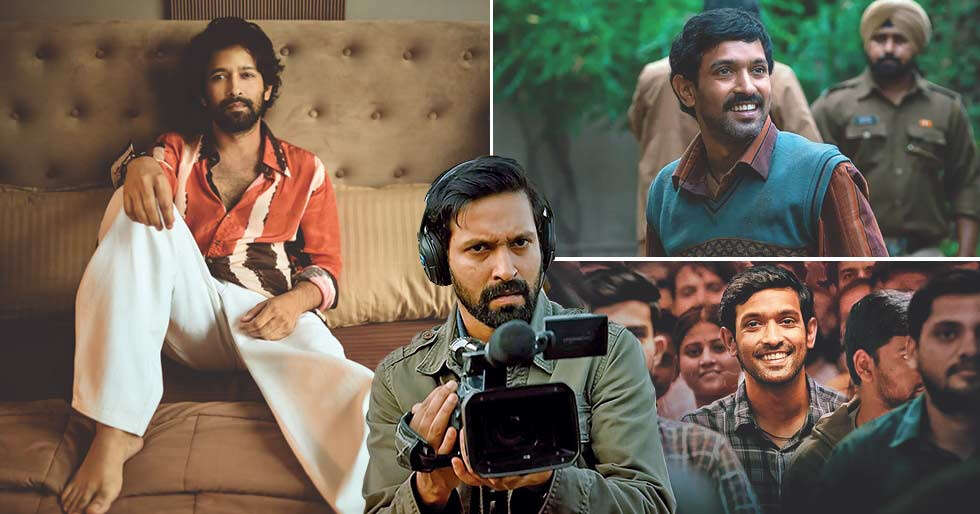
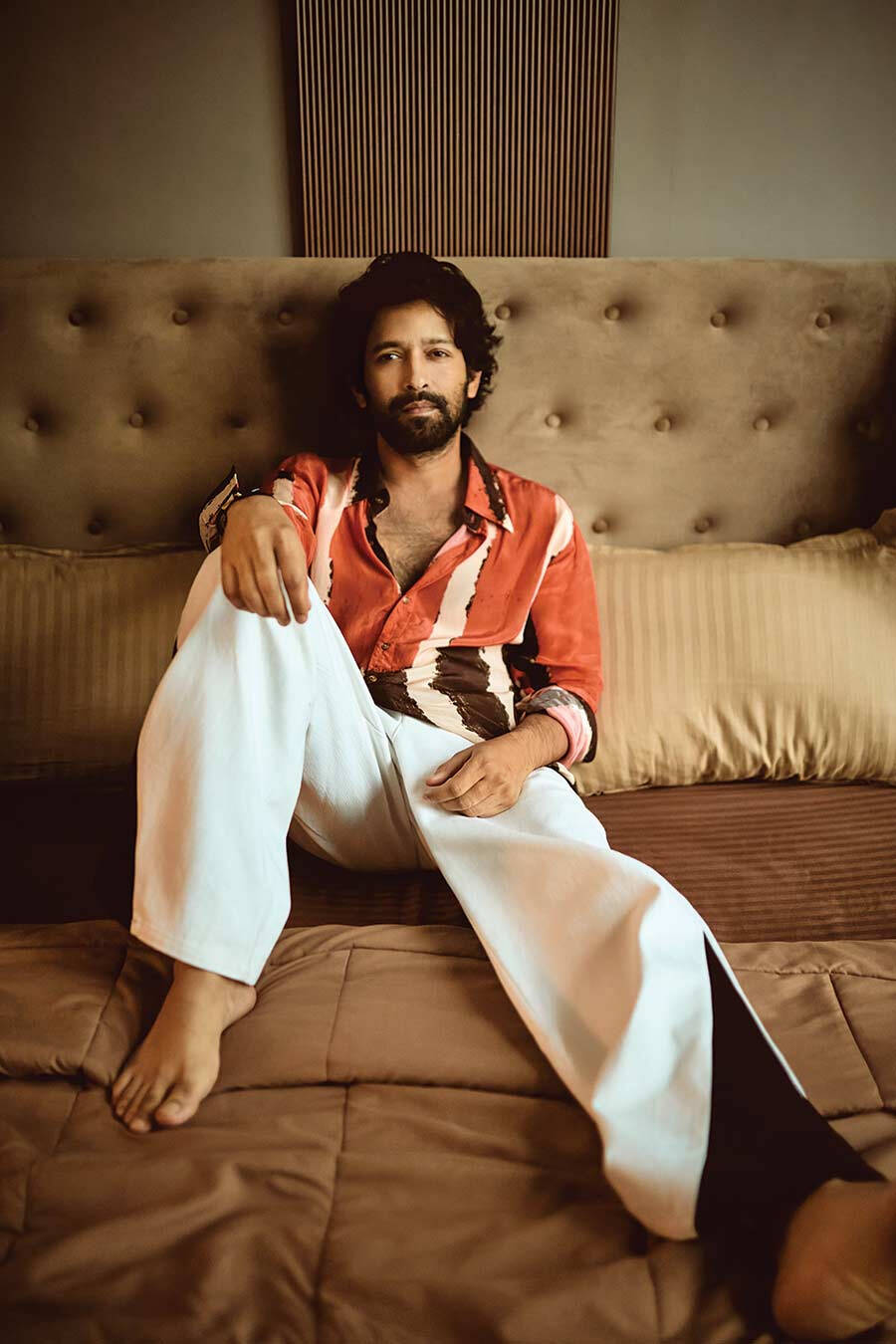
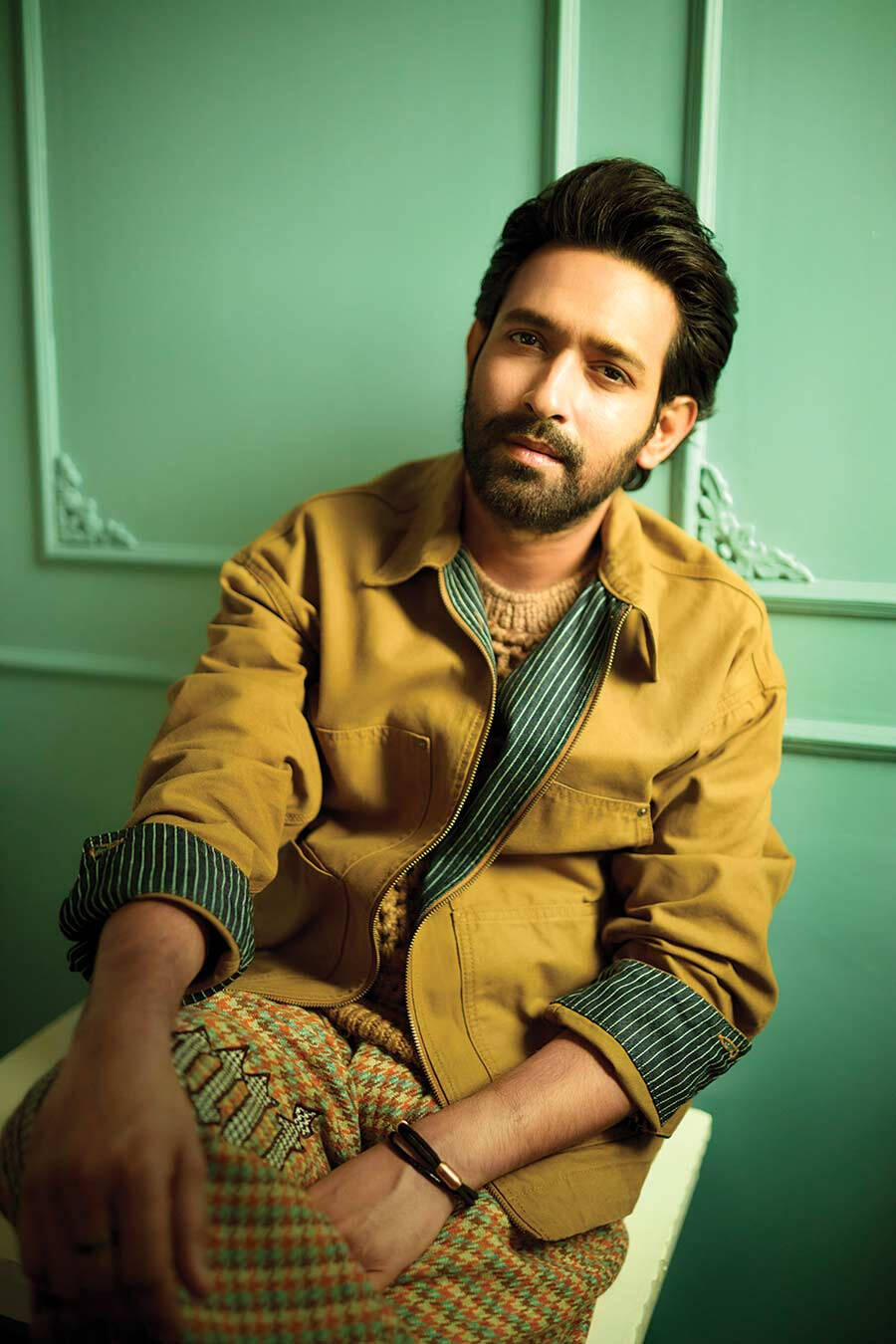
Vikrant Massey has quietly built a body of work that resists spectacle and leans instead into lived-in truth. Whether playing an idealistic civil servant, a conflicted young man or a deeply unsettling antagonist, the actor’s performances are rooted in observation, empathy and an almost stubborn commitment to authenticity. For Massey, acting is not about method or mimicry but about disappearing into the everyday, becoming the kind of people we pass on the street without a second glance. In this candid conversation, the actor opens up about the emotional toll of playing dark characters like Prem Singh in Sector 36, why certain roles followed him home and led him to therapy, and how becoming a father has fundamentally reshaped his worldview. From the discipline behind intense interrogation scenes to his belief that success and failure deserve equal indifference, Massey reflects on an evolving career driven not by image, but by inner honesty.
Do you think realism has always been your strength as an actor?
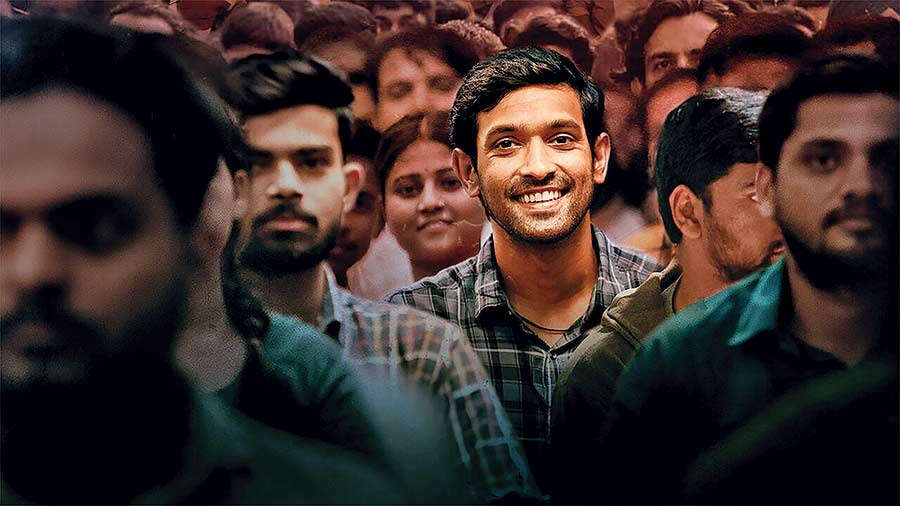
Yes, realism suits me. Storytelling has many ways, there’s no right or wrong, but this is what works for me. I try to bring what I derive from real life into my performances. It began way back in Balika Vadhu. It’s been almost 16 years, and people still call me Shyam Bhaisa, especially in Gujarat, Rajasthan and Central India. I was 21 or 22 then, and even at that age I tried to keep it grounded because it was a socially relevant, socio-political story. I think audiences now expect my characters to be real, grounded, and representative of their aspirations.
How do you bring realism to your performances?
When you play someone as dark as Prem Singh in Sector 36, how do you prepare emotionally?
You can only try, you can’t actually become that person. And hopefully, you never do. What helped immensely was the writing. Bodhan Roy Choudhury had put in so much effort understanding Prem Singh’s psyche that almost 50 percent of the work was already done for me. My director Aditya Nimbalkar and I spent a lot of time discussing the character, and I consciously told myself that this guy cannot come home with me. I’m sensitive that way. We were shooting in Delhi, and I made sure to socialise, meet friends, which I usually don’t do while shooting outdoors. Normally you isolate yourself, but with Sector 36 I did the opposite. And thank God I wasn’t in Mumbai at that time.
Did you research real-life cases while preparing for the role?
The interrogation scene in Sector 36 is especially intense. How did you approach that?
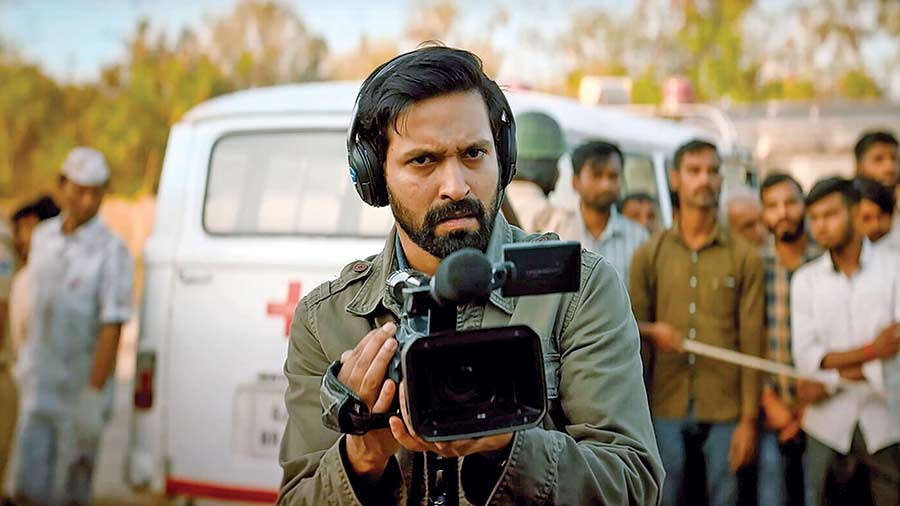
We were very clear about that scene. We wanted to keep jabbing the audience continuously. If you look at it now, it’s a 12–13 minute sequence after edit. The audience doesn’t get to breathe until it ends. But acting is also a very technical job. There’s a mark, there’s lighting, there’s camera focus. You can’t just go mad and do whatever you want. You have to balance intensity with control, and that comes with preparation and rehearsal.
Actors often say that characters sometimes follow them home…
Did that role lead to self-discovery for you?
Absolutely. While doing A Death in the Gunj, I discovered aspects of myself I wasn’t aware of. There’s a sleepwalking scene where Shutu is stuck between a wall and a cupboard, that reflected his mental state, and somewhere, mine too. Therapy helped me confront vulnerabilities and childhood traumas. Acting sometimes gives you beautiful things, sometimes difficult ones. But that process of discovery is worth it.
Acting looks glamorous from the outside. How demanding is the process really?
You’ve spoken about the privilege of being an actor. When does that hit you the most?
Recently, I was in Landor, sitting atop a hill, looking at the Himalayan range. My director and I were talking about how lucky we are that we don’t go back to the same desk every day. Our offices change every week, every month. We work in some of the most scenic places in the world. We meet 100–200 people daily. And when people tell you, “Thank you, you inspired us,” that’s the greatest feeling an actor can have.
How has becoming a father changed you as
a person?
You don’t know the true depths of your heart until you become a parent. For me, it wasn’t just when the baby was born. It was the entire pregnancy journey. Watching Sheetal change physically and emotionally, seeing the baby kick, my son kicked a lot. My wife was numb on one side during her third trimester. That entire journey changes you. And thankfully, touch wood, he was born tall
and healthy.
What keeps you and Sheetal grounded amid success?
Also Read: Sini Shetty to Make Her Bollywood Debut in Lakshya and Vikrant Massey Starrer Dostana 2