
STARTUP
WA Edtech Founder Named UN ‘AI For Good’ Finalist As He Relaunches Valearnis For Free

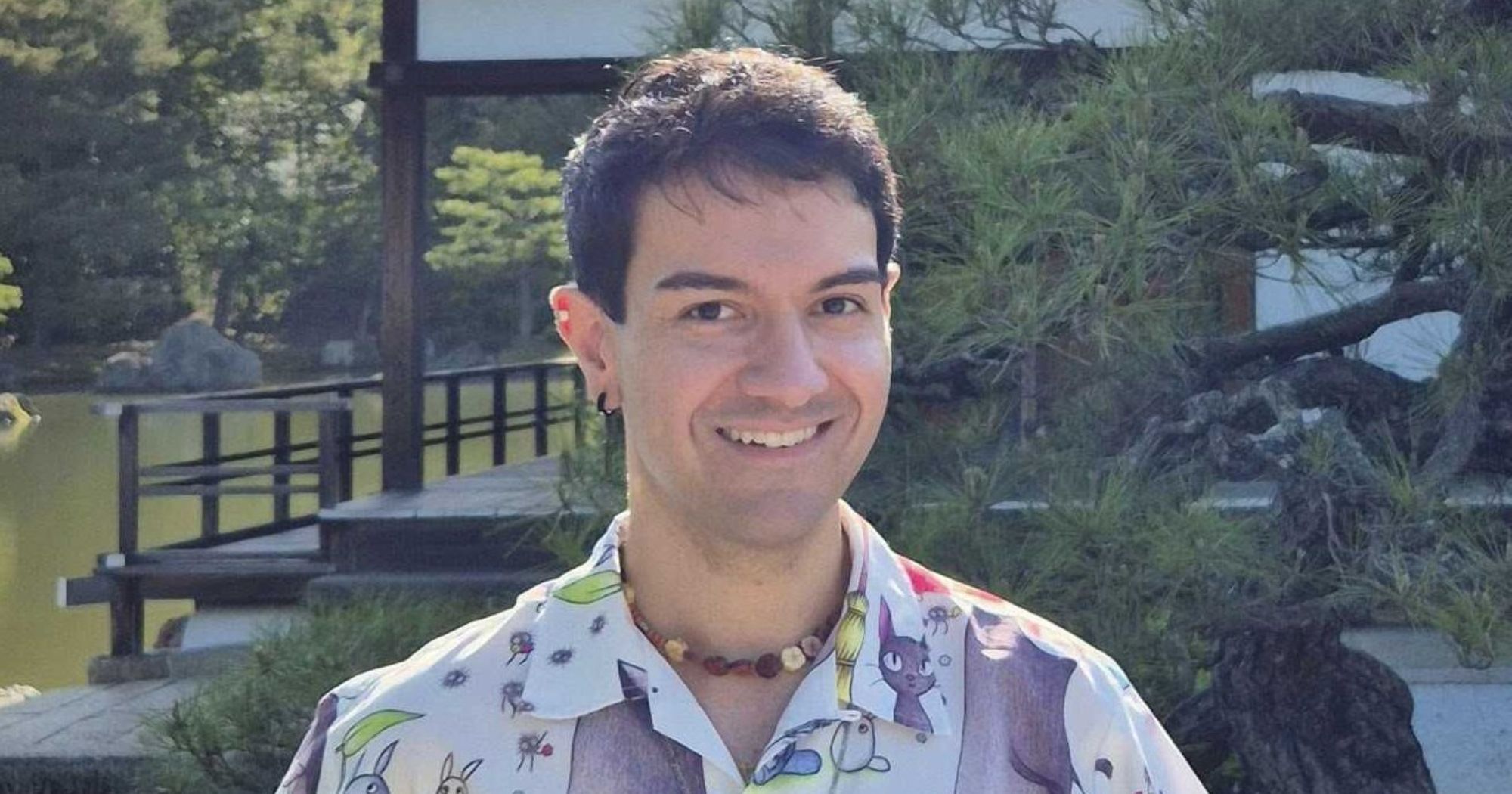
A Western Australian edtech startup built without a cent of outside funding has been named one of just five Australian finalists in the United Nations’ AI For Good programme, days before relaunching its student learning platform with a free base tier.
Valearnis, founded by Samreid Manez, is an AI-native education platform covering the Australian curriculum for students in Years 5 to 12.
A geology graduate who found his way into classrooms
Manez grew up in a country town in Western Australia, the son of Punjabi migrants from Malaysia who both became teachers in Australia. Despite a childhood spent around schools, he studied geology and expected to end up in the mines. “I graduated, looked at it properly, and realised it just wasn’t for me,” he says.
He started volunteering at his parents’ schools, running quizzes for students, and decided to build an education startup. His first attempt at raising money to fund a development team went nowhere. “I got laughed out of the room,” he says.
Rather than abandon the idea, Manez taught himself to code, studied instructional and educational design, and spent six months at Waseda University in Japan. He built a rough demo in Ruby on Rails on his own, which earned him a place in Perth’s Plus Eight Sprint accelerator — a programme he went on to win.
That win gave him the confidence to cold-pitch Anna Dementyeva at xEdu, one of the world’s largest edtech accelerators, based in Finland. She pulled his pitch deck apart and explained how to rebuild it. He made the changes on the spot, and she invited the team to the programme. COVID border closures kept him grounded in Australia, so Dementyeva mentored the team one-on-one across the entire programme and later joined as an advisor.
During the same lockdown period, Manez was elected to local government, serving a two-year term as the youngest councillor in WA at the time. Once borders reopened, he spent three months in Krakow volunteering with refugees fleeing the invasion of Ukraine, all while continuing to build the company.
Why the first version of Valearnis failed
Valearnis first launched in 2023, fully bootstrapped, with an international team Manez had assembled without outsourcing a single role. The timing was difficult on two fronts: ChatGPT had just arrived, and the platform was premium-only, charging users at sign-up. Six months later, he shut it down.
He rebuilt it from scratch as an AI-native app, one designed around the opposite logic to much of what was flooding the market. Instead of feeding students answers, Valearnis centres on problem solving, critical thinking, and keeping young people adaptable in an AI-shaped world. It reframes the Australian curriculum around the Socratic method, with a virtual Socratic tutor, daily logic puzzles, experience points, and on-demand reports for parents.
“We took everything we learned from failing, and rebuilt it for the world kids are actually growing up in,” Manez says.
A free relaunch and an international rollout ahead
The relaunched platform is now live in Australia, with the base version free to sign up. An international rollout is planned over the coming months, and the company remains fully bootstrapped with no outside funding.
Manez’s 12-person team was named one of only five finalists across Australia for the AI For Good initiative, validation for a bootstrapped founder who was once laughed out of an investor meeting.