
STARTUP
R&D Reform, VC Cap Lifts, And A CGT Consultation: What The 2026 Federal Budget Means For WA Startups

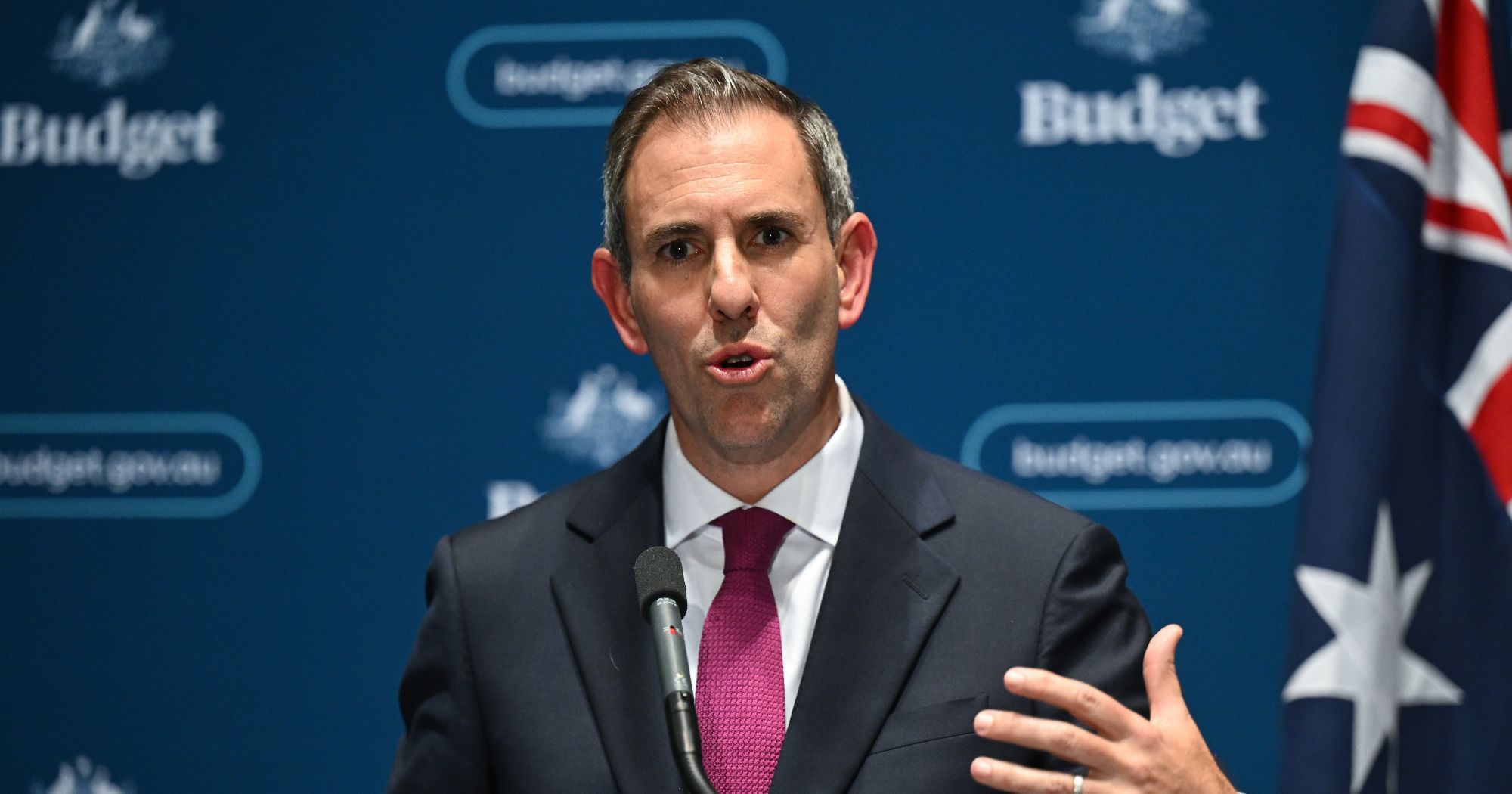
Treasurer Jim Chalmers handed down the 2026 Federal Budget on Tuesday, containing the most substantial overhaul of the Research and Development Tax Incentive (RDTI) in years, expanded venture capital tax settings, a new loss refundability scheme for early-stage startups, and a permanent $20,000 instant asset write-off. But proposed reforms to capital gains tax have unsettled founders and investors, with the Government now committing to a sector-specific consultation before any changes take effect.
The Tech Council of Australia chief executive Kate Cornick said there was “much to be commended” in the Budget from the tech sector’s perspective. “Australia’s RD&I system is getting long-overdue attention with positive changes to the Research & Development Tax Incentive (RDTI) and venture capital regulatory regime,” Cornick said. “These are areas the TCA has advocated for over several years. They are important steps toward helping more Australian companies commercialise, scale and contribute to economic prosperity.”
The Research and Development Tax Incentive overhaul
From July 1st 2028, the RDTI is being rebuilt to direct more support toward young firms doing genuine core R&D, in response to recommendations from the Ambitious Australia Report.
The turnover threshold for the higher, refundable offset lifts from $20 million to $50 million. Refundability will now be limited to firms operating for less than ten years; older companies will still access an equivalent non-refundable offset. The maximum expenditure cap rises from $150 million to $200 million. The intensity threshold drops to 1.5%, delivering higher offsets to firms whose R&D spend represents a substantial share of total business activity.
The minimum expenditure threshold lifts from $20,000 to $50,000. Below that level, claimants will need to work with a Research Service Provider or Cooperative Research Centre.
Treasury estimates the reforms will unlock $400 million per year in additional R&D activity by young firms. The offset for experimental core R&D is rising by 25% to 50%, while expenditure that only supports R&D — rather than directly conducting it — is being removed from the eligible base.
Bigger caps for venture capital
From July 1st 2027, the Government is expanding the Venture Capital Limited Partnership (VCLP) and Early Stage Venture Capital Limited Partnership (ESVCLP) programs to reflect modern company valuations.
The VCLP asset value cap on investee businesses rises from $250 million to $480 million. The ESVCLP cap on investee size at the time of investment lifts from $50 million to $80 million. The ESVCLP tax incentive cap, which dictates how large an investee can grow before returns lose their full tax exemption, rises from $250 million to $420 million. The maximum fund size for an ESVCLP lifts from $200 million to $270 million.
Steve Baxter, founder and chief executive of Beaten Zone Venture Partners, welcomed the lift but said it was insufficient on its own. “If we want a sovereign capability in deep tech and defence technology, we need a tax system that rewards the people willing to back companies when they are worth nothing,” Baxter said.
A new loss refundability scheme for early-stage startups
From 2028–29, startups with aggregated annual turnover under $10 million that generate a tax loss in their first two years of operation will be able to claim a refundable tax offset. The offset is capped at the value of fringe benefits tax and withholding tax paid on Australian employee wages in the loss year.
The Government estimates up to 25,000 young companies will benefit each year. In practical terms, the measure converts a portion of an early-stage startup’s payroll tax burden into a refundable credit during the period when most companies are pre-revenue or revenue-light.
Loss carry-back returns
Companies with aggregated annual turnover under $1 billion will be able to carry back a current-year tax loss against tax paid in the previous two income years from 2026–27, generating a refund. The Government estimates up to 85,000 companies will benefit, with the majority being small businesses. The measure is a less generous version of the COVID-era loss carry-back, limited to revenue losses and a company’s franking account balance.
A permanent $20,000 instant asset write-off
After years of last-minute extensions every end of financial year, the $20,000 instant asset write-off becomes a permanent feature of the tax system from July 1st 2026. Small businesses with turnover up to $10 million can immediately deduct eligible assets costing under $20,000. Treasury estimates the measure will improve cash flow for small businesses by around $890 million over the next five years.
The CGT problem the sector wants fixed
Alongside these structural wins, the Government is replacing the 50% capital gains tax discount with cost-base indexation against the Consumer Price Index, plus a new 30% minimum tax rate on real capital gains. The changes apply from July 1st 2027 across all CGT assets, including shares, held by individuals, partnerships, and trusts.
The startup sector spent the days leading up to the Budget lobbying against the changes, arguing they would weaken the equity incentives that founders, early employees, and angel investors rely on. The Government has now confirmed it will hold a sector-specific consultation.
The Budget fact sheet reads: “Given the unique characteristics of the tech and start up sector the Government will consult on the interaction of the capital gains tax reforms and incentives for investment in early-stage and start-up businesses.”
Tech Council chief executive Kate Cornick said the TCA remained concerned. “There is work to do to ensure Australia’s startup community doesn’t become collateral damage as a result of proposed changes to CGT,” she said. “The Government has clearly signalled its intention to consult on key details of its CGT reforms, specifically with respect to the treatment of early stage and start-up businesses, and this will remain a key focus for us in coming weeks.”
AI, deep tech, and the Henderson opportunity
The Budget includes up to $70 million for AI Accelerator grants delivered through the Cooperative Research Centre program, alongside $1.5 billion for science institutions, including CSIRO, the National Measurement Institute, and the Square Kilometre Array. A further $508.5 million has been provisioned for additional Medical Research Future Fund disbursements.
On the productivity side, $654.3 million is going into expanding Digital ID and $62 million into the Consumer Data Right; both of which create platform opportunities for fintech, identity, and data infrastructure startups.
The most concrete defence-tech opening sits in Western Australia. The Government is committing an initial $12 billion to expand the Henderson Defence Precinct south of Perth, with the eventual decade-long bill expected to reach approximately $25 billion. The 2026 Integrated Investment Program includes up to $15 billion for autonomous and uncrewed systems — including the Australian-built Ghost Bat and lower-cost drone fleets — and up to $130 billion in undersea capability tied to the AUKUS submarine program.
For founders building in sensors, communications, autonomy, edge AI, and adjacent dual-use hardware, the next 12 to 24 months represent the most coherent sovereign-capability procurement window in two decades.